
Nvidia Stock This Week: Why NVDA Fell Then Bounced and What AI Funding Worries Mean for Chip Stocks

 Prefer us on Google

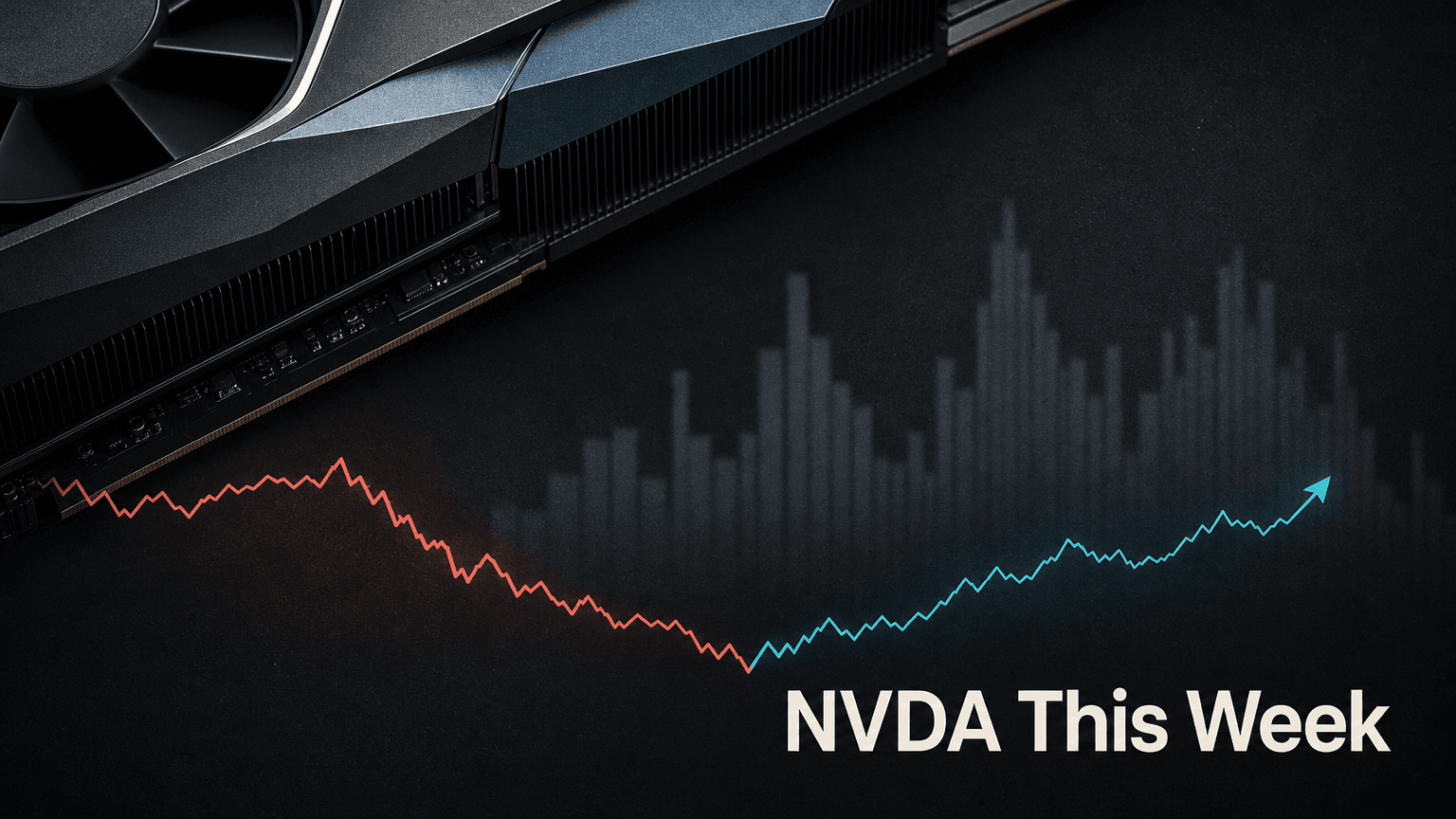
NVDA stock fell 3.16% to $221.30 on October 14, slipped further by the end of that week, and then bounced 1.38% to $217.09 on October 19, leaving Nvidia about 10.8% below its 52-week high of $243.37. The moves came as chip stocks as a group reacted to worries about how the AI buildout will be paid for, and no source reviewed ties NVDA stock to a single company-specific cause.
For anyone tracking NVDA stock, the useful question is how much of the pullback is about Nvidia itself and how much is about its customers’ balance sheets. SpaceX reports tonight and Meta and Tesla report on Wednesday, so the next clues may come from other companies’ numbers more than from Nvidia’s.
Why Did NVDA Stock Fall in Mid-October?
NVDA stock fell on October 14 as part of a broad sell-off in chip and technology shares, and no source reviewed names an Nvidia-specific reason. According to Gotrade, NVDA closed at $221.30, down $7.22 or 3.16% from $228.52, on volume of 117.2 million shares, about 7.6% above its 30-day average. The Nasdaq Composite fell 1.88% and the S&P 500 fell 1.11% that day, so NVDA underperformed the Nasdaq by about 1.28 percentage points by the author’s arithmetic.
Chip peers fell further: AMD dropped 5.73%, Micron 4.10%, TSMC 3.40% and Broadcom 3.10%. Two Nvidia-related stories ran around the session, but Gotrade said neither was linked to the share move. In a Bloomberg interview reported by MT Newswires, chief executive Jensen Huang said Nvidia would consider halting chip supplies to customers developing unsafe AI, and that demand for AI infrastructure will keep outrunning component supply for years. Separately, Microsoft unveiled its Maia 300 in-house AI chip, with production starting in 2027, and Microsoft shares fell 1.80% on Wednesday.
How Did NVDA Stock Bounce on October 19?
NVDA stock rose 1.38% to $217.09 on Monday, October 19, in a broad rebound for AI chip shares, with no company-specific catalyst named. Gotrade reported a rise of $2.96 from $214.13, with a day range of $214.70 to $219.62. The Nasdaq Composite gained 1.11% to 26,430.89 and the S&P 500 rose 0.41% to 7,690.73, while the Dow slipped 0.07%.
Yahoo Finance, as cited by Gotrade, linked the rebound to the previous week’s sell-off over doubts about how the AI buildout would be financed, and called Monday’s move “a vote of confidence for the AI trade.” Nvidia made an announcement about quantum computing simulation on October 19, but reports did not tie it to the share price. Gotrade also noted that the 10-year Treasury yield rose 3.8 basis points to 5.14%, described as a headwind for AI stocks, though that figure comes from a single source and was not checked.
What Are the AI Funding Worries Behind the Chip Stock Moves?
The worries center on whether the companies building AI data centers can pay for them, which matters to Nvidia because they are its customers. TipRanks reported on October 20 that technology shares gave back Monday’s rebound, with investors concerned about rising debt to fund AI buildouts and steep valuations, and that CoreWeave fell more than 25% last week over its debt load, despite a Goldman Sachs upgrade to Buy.
Other spending numbers add to the picture. SpaceX reported second-quarter capital costs of $18.4 billion, including $15.8 billion on AI computing systems, according to TipRanks. On the other side, Huang’s comment that demand will exceed supply for years supports the view that spending will continue. The sources reviewed do not show a direct link between any one company’s funding concerns and the move in NVDA stock, so the connection is a reading of the market’s mood and not a confirmed cause.
-- Price
What Does This Mean for Nvidia and Other Chip Stocks?
The recent moves suggest chip stocks are trading together on funding headlines, and Nvidia has not been moving separately from its peers. On October 14 the biggest drops came from AMD, Micron, TSMC and Broadcom, and the rebound on October 19 was described as broad. In premarket trading on October 20, TipRanks listed Micron down 2.5%, SanDisk down 3%, Intel down 1.7%, Qualcomm down 1.1% and CoreWeave down 3.2%.
Competition is a separate thread. Microsoft’s Maia 300 is a sign that large customers are building their own chips, though production does not start until 2027, and a Yahoo Finance headline quotes an analyst saying Microsoft’s AI chips are “nowhere close” to Nvidia’s or Google’s. These are opinions about the future and should not be read as a cause for this week’s price action. Nvidia’s market capitalization was $5.51 trillion on October 14, which is part of why sector-wide moves can look large in dollar terms.
What Should Investors Watch Next, and What Is Still Unclear?
Investors can watch other companies’ spending commentary, bond yields, oil prices and Nvidia’s next report, while several details about NVDA stock remain unclear. SpaceX reports after the close on October 20, and Meta and Tesla report after the close on Wednesday, October 21. TipRanks also noted that crude oil rose on escalating attacks on Saudi Arabia, with Brent at $111.22 and WTI at $107.96, which adds a macro risk.
Nvidia’s last results were for the second quarter of fiscal 2027, released on August 26, 2026, and the sources reviewed do not give the date of the next report. A Motley Fool article describes an authorized $235 billion buyback but does not say when it was announced or how much has been executed, so it is left out of the analysis here. No source reviewed predicts the direction of NVDA stock, and the price levels above are reported closes, not forecasts.
Can Traders Follow NVDA Stock on WEEX?
Yes, NVDA is available to trade on WEEX, and the NVDA page shows the pair’s current terms. This week’s pattern is a reminder of how the stock behaves: a 3% drop in a sector-wide sell-off, a bounce of about 1.4% on a day with no Nvidia-specific news and a calendar full of other companies’ earnings that could change sentiment again. For anyone who trades around events like that, the question is often less about calling the direction and more about how much to risk if the first move is wrong.
Trading NVDA on WEEX gives exposure to the price and is not the same as owning Nvidia shares. If the product carries leverage, a drop the size of October 14 can be enough to liquidate a position, and funding fees can add to the cost of holding one for several days, so the terms on the page are worth reading and a position size is best chosen before the next headline, not after. WEEX also maintains a 1,000 BTC protection fund, which is an extra safeguard for users and does not take market risk away.
Conclusion
NVDA stock fell 3.16% to $221.30 on October 14 and rose 1.38% to $217.09 on October 19, moving with a broader swing in chip stocks tied to worries about funding the AI buildout. No source reviewed names a single Nvidia-specific cause for either move.
Readers following NVDA stock can watch the earnings of AI spenders this week, bond yields and oil prices, and check the latest quote before relying on any figure here. Funding concerns can change quickly, so the picture may look different within days.
FAQ
1. Why did NVDA stock fall on October 14?
NVDA stock fell 3.16% to $221.30 in a broad chip sell-off. No source reviewed names an Nvidia-specific cause.
2. Why did NVDA stock rise on October 19?
NVDA stock rose 1.38% to $217.09 as AI chip shares rebounded broadly. No company-specific catalyst was named.
3. How far is NVDA stock from its 52-week high?
At $217.09 on October 19, NVDA stock was about 10.8% below its 52-week high of $243.37.
4. What are the AI funding worries?
Investors worry about rising debt used to pay for AI data centers, with CoreWeave’s 25% weekly fall a recent example. This may affect demand for Nvidia chips.
5. Can I trade NVDA on WEEX?
Yes, WEEX lets users trade NVDA. It gives price exposure and not share ownership, so check the WEEX trading page for terms and risks.
This content is provided for general informational purposes only and doesn't constitute financial, investment, legal, or tax advice. Any events, rewards, online promotions, or related information mentioned herein should not be considered a recommendation, solicitation, or invitation to purchase, sell, trade, or otherwise deal in any crypto assets. Crypto assets are highly volatile and may result in loss. The availability of WEEX services, products, and related events may vary by region. You are responsible for ensuring that your participation is in accordance with applicable local laws and regulations.
You may also like

Jensen Huang Affair Rumors: What the Alice Huang Report Says

Nvidia Stock Falls After Microsoft's Maia 300: Is Custom Silicon a Real Threat to NVDA?
NVDA Stock Sits Near Its High While Rivals Are Down 18-32%: What Explains the Gap

What Is WEEX Stock Spot Trading? A Beginner's Guide to US Stock Trading with USDT

AMD vs Nvidia After Q2 Earnings: Which Stock Is the Better Buy?

Keplr Wallet Security Alert: Is Your ATOM Safe?
NVIDIA Board Opens Probe: What's Next for NVDA?

Midterm Elections Crypto Fallout: $170M Spent, Key Races Lost

USOR Token Price: Why the Oil Meme Coin Is Down 99% From Its Peak
XLM Token Price Today: Why Stellar's Nov. 23 Bell Vote Matters

FreeBitco.in Shutdown: Frozen Withdrawals and What Users Can Do

How to Stake Solana: Exchange vs Wallet, Rewards and Unstaking
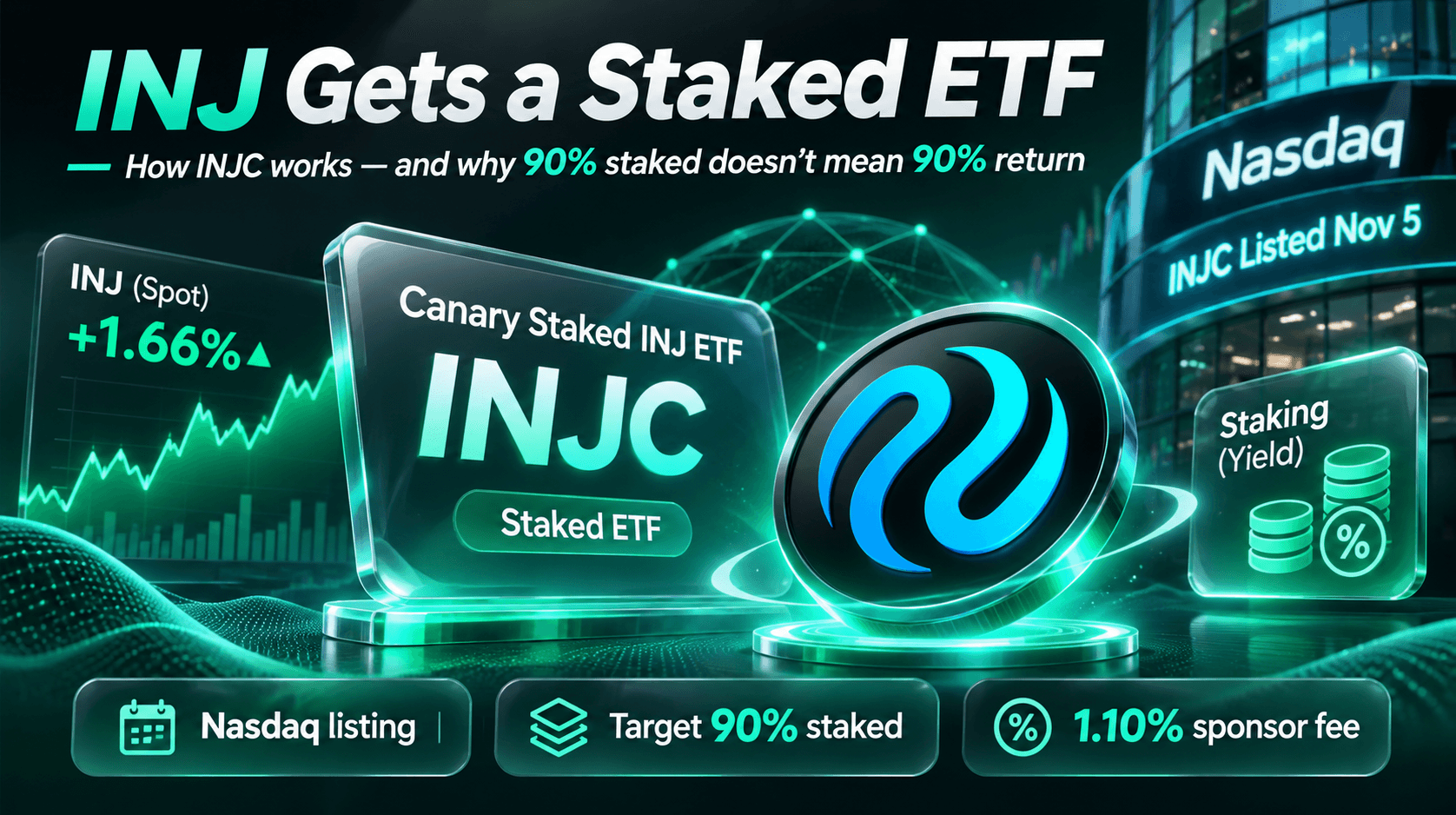
INJ Staking ETF Goes Live: Can 90% Staking Drive Demand?

SNDK Crashes 22%: Is the AI Storage Boom Losing Steam?

Circle Revenue Hits $865M, But Can CRCL Sustain Growth?

Is GM on BSC a CZ Token? What Is Confirmed and What Is Not

What Is GM on BSC? GREEN MORNING Jumps Over 400% on a Reported Musk–CZ Meme Moment

Polygon Proposes Hard Fork to Recover 70.49M POL

Zcash NU7 Upgrade: 25-Second Blocks, Same 21M ZEC Supply
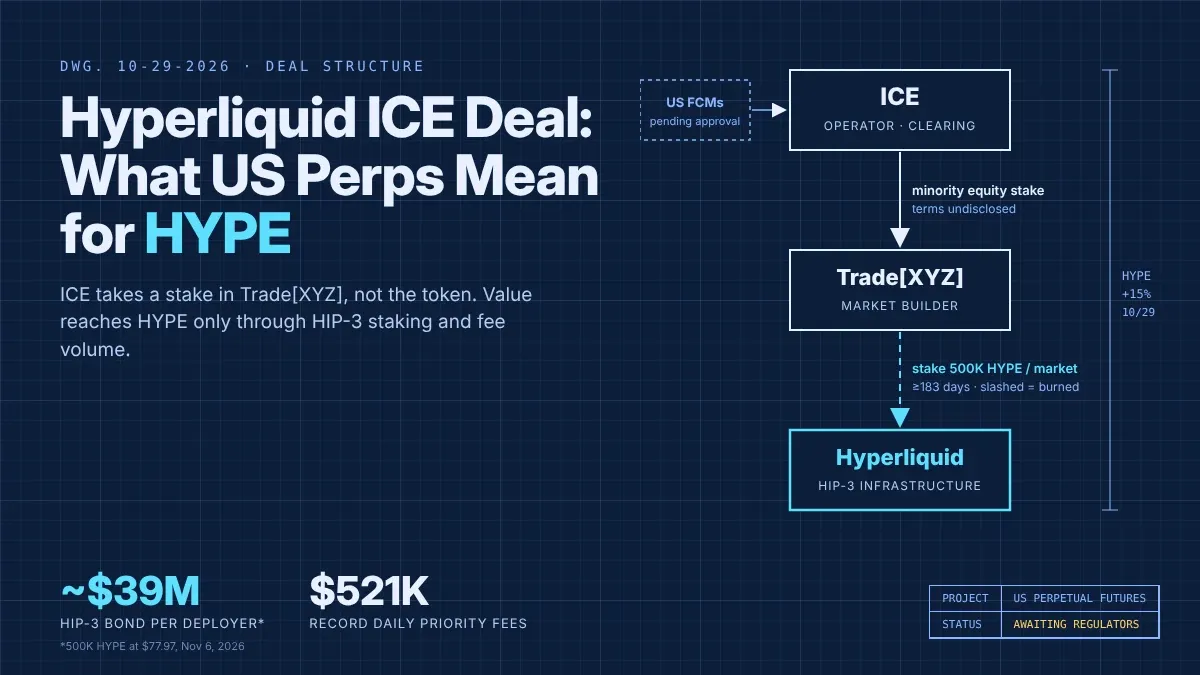
Hyperliquid ICE Deal: What US Perps Mean for HYPE Holders

Ripple National Trust Bank: What OCC Approval Means for XRP
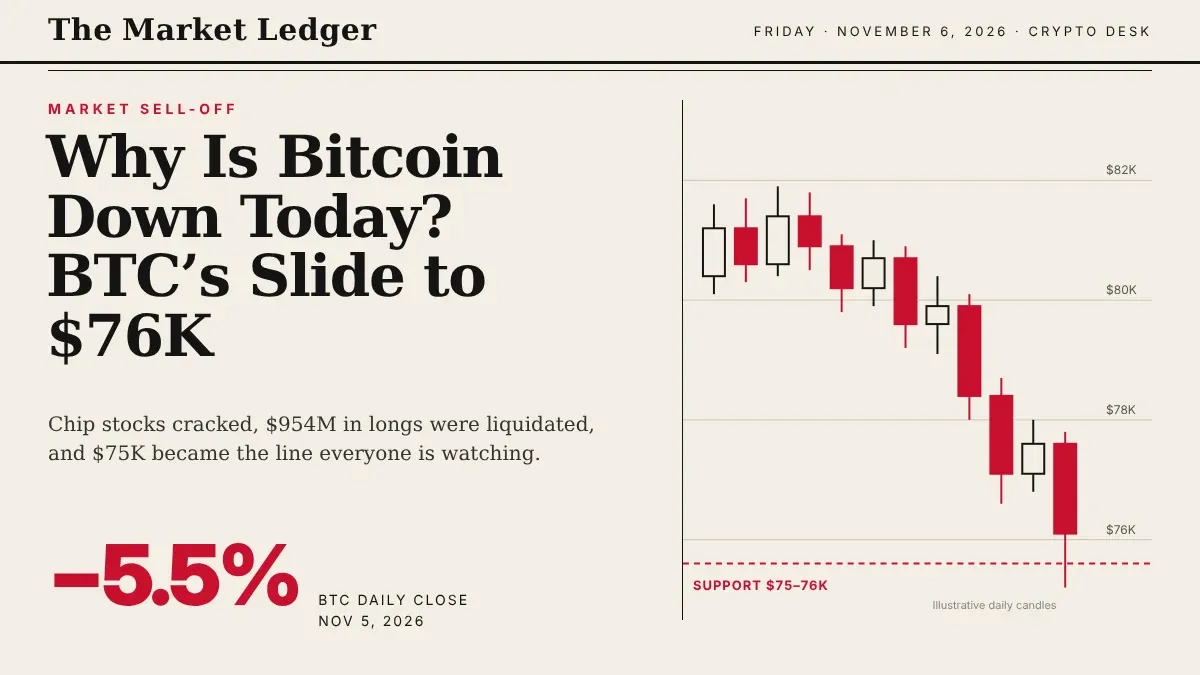
Why Is Bitcoin Down Today? BTC's Slide to $76K Explained
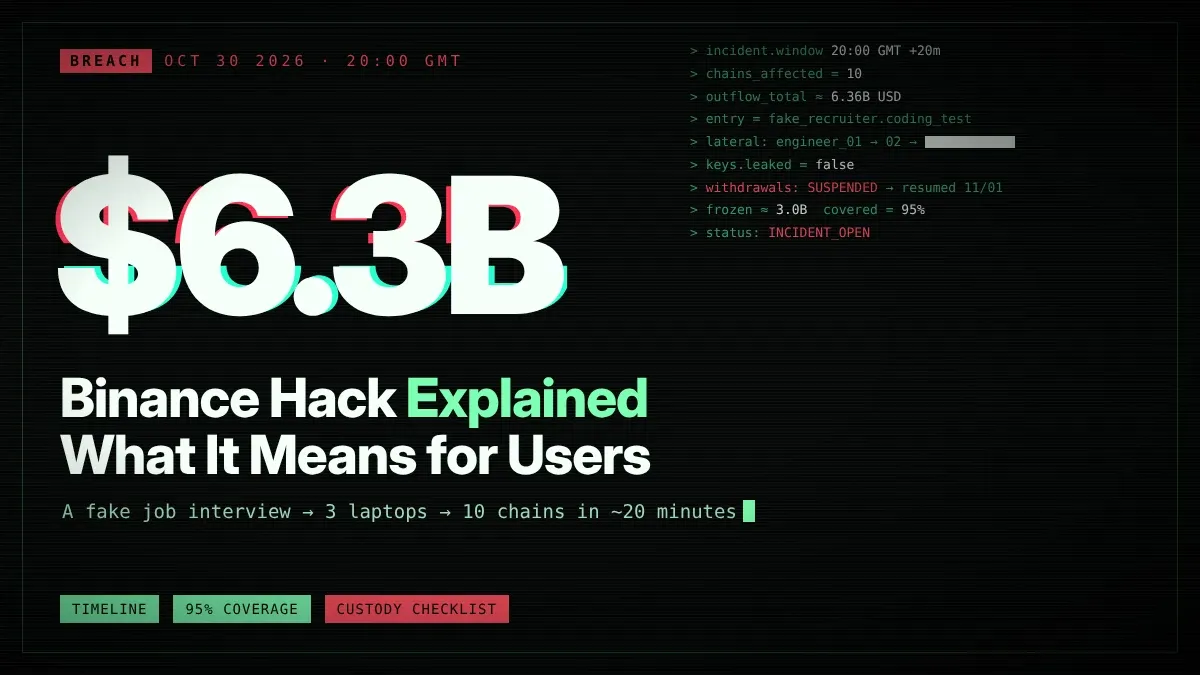
Binance Hack Explained: What the $6.3B Theft Means for Users
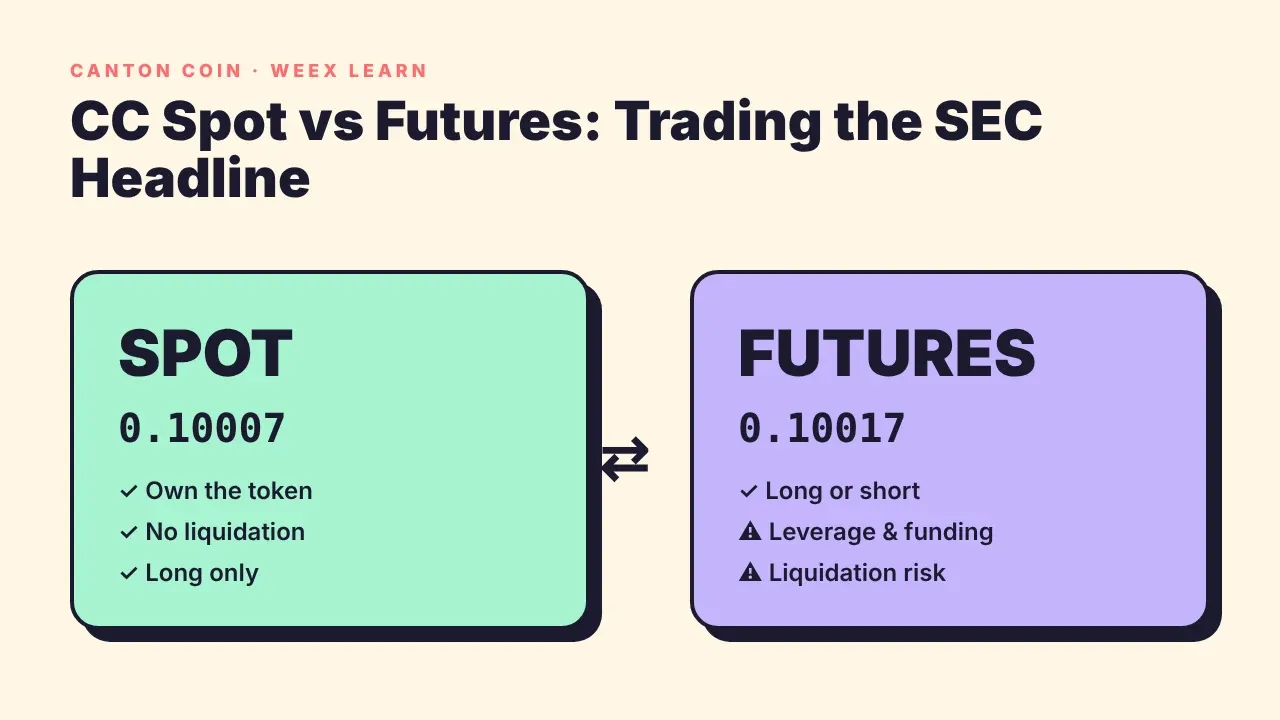
CC Spot vs Futures on WEEX: Trading Canton's SEC Headline Risk

How to Buy USOE? What DEX Access Involves, Which Wallet and Contract Risks Apply and What an Exchange Listing Would Require

Is USOE Legit? What the Website Claims, What Independent Sources Found and What Is Still Missing

Crypto Passive Income: What $1,000 Earns in Each WEEX Product

NEAR Protocol HSP-029: Max Issuance Falls From 2.5% to 1.6%, but When Does the Change Take Effect?

SMCI Reports $19.9B Revenue as Margin Falls

NEAR Up 4.8% After HSP-029 Issuance Vote Passes
Jensen Huang Affair Rumors: What the Alice Huang Report Says
Nvidia Stock Falls After Microsoft's Maia 300: Is Custom Silicon a Real Threat to NVDA?
NVDA Stock Sits Near Its High While Rivals Are Down 18-32%: What Explains the Gap
What Is WEEX Stock Spot Trading? A Beginner's Guide to US Stock Trading with USDT
AMD vs Nvidia After Q2 Earnings: Which Stock Is the Better Buy?
Keplr Wallet Security Alert: Is Your ATOM Safe?
Contents
Popular coins
Latest articles


