
FreeBitco.in Shutdown: Frozen Withdrawals and What Users Can Do

 Prefer us on Google

FreeBitco.in, the Bitcoin faucet that ran from 2013 and claimed tens of millions of registered users, is no longer a working way to earn free BTC. In December 2025 the site paused withdrawals and announced it would cease operations, citing "widespread abuse," and by late 2026 there is still no confirmed, broad reopening of withdrawals. This article walks through what actually happened to FreeBitco.in, what its shutdown notice promised, why balances shown on the site are not the same as bitcoin you own, and what former users can realistically do now.
What Happened to FreeBitco.in?
The short version: the faucet stopped paying before it officially stopped operating.
User reports of stuck withdrawals started circulating in the fall of 2025, with some users saying payouts requested in mid-October never reached the blockchain and support went quiet. In December 2025 FreeBitco.in posted a notice on its site saying it would shut down after more than 12 years. The notice, covered by Cointiply's blog on December 23, 2025 and discussed on Stacker News a few days earlier, made four main points:
- The site was closing because of widespread abuse across the platform.
- Withdrawals were paused while staff manually reviewed accounts to separate "genuine users" from abusers.
- The website would be replaced by a shutdown page, and genuine users would be migrated to a separate database where they could log in and withdraw.
- Withdrawals were expected to be enabled by early 2026.
That last line is the one users held onto. As of November 2026, there is no public confirmation from the operator that the migration completed or that withdrawals reopened at scale. Faucet directories have since delisted the site; one reported in June 2026 that its own withdrawal test failed.
Why FreeBitco.in Balances Were Never Really "Your" Bitcoin
This is the part most FreeBitco.in guides skipped, and it is the real lesson of the shutdown.
A faucet balance is an IOU. When the site showed you 25,000 satoshis, that number lived in the operator's database, not at a bitcoin address you controlled. Every feature that made FreeBitco.in sticky deepened that dependence:
- The hourly free roll paid tiny amounts (typically around 0.0000001 BTC for most rolls) that only became withdrawable once they cleared a minimum threshold.
- The interest feature paid roughly 4% a year on balances above 0.0003 BTC, which rewarded users for leaving coins on the site rather than withdrawing.
- The Multiply BTC dice game and weekly lottery let users recycle faucet earnings into gambling, with the house holding the funds throughout.
- The premium membership tied to FunFair's FUN token added another layer of on-site value that only existed while the platform did.
In practice, the interest feature was the trap. A user who "compounded" for years had a larger, older balance sitting with a custodian that published no proof of reserves and answered to no regulator. When the operator froze withdrawals, nothing in that setup gave users leverage.
Is FreeBitco.in Legit or a Scam Now?
It depends on what you mean by the question, and the answer has changed over time.
For most of its history, FreeBitco.in did pay out. That is why it built such a large user base and why years of "legit paying site since 2013" posts exist. But a site that paid in 2019 tells you nothing about whether it will pay in 2026. Today, the practical answer is that FreeBitco.in should not be treated as a working faucet: withdrawals were frozen, the shutdown was announced by the site itself, and independent testers report failed payouts.
Whether the operator ultimately returns funds to verified users is still an open question. What is not open is the risk profile. Several warning signs are worth naming, because they show up on other faucets and "earn" sites too:
- A deposit request to "unlock" a withdrawal. The shutdown notice itself told users not to send funds. Anyone asking you to deposit BTC to release a frozen balance is running a scam, whether or not they use the FreeBitco.in name.
- Clone sites and "recovery" services. Lookalike domains and Telegram accounts promising to recover faucet balances for a fee are a known pattern after any platform collapse.
- Auto-roll scripts. Browser scripts that promise to farm the faucet or beat the dice game are a common way to get a wallet or browser session compromised.
-- Price
What Former FreeBitco.in Users Can Do Now
If you still have a balance on FreeBitco.in, keep expectations low and your security high.
- Log in only through the domain you have always used, typed manually. Check whether a shutdown or migration page is live and whether your account shows a withdrawal option.
- Screenshot your balance and account history. If any formal claims process appears later, documentation will matter.
- Never pay a fee or send a deposit to release funds. A legitimate wind-down does not require new money from users.
- Change any password you reused on FreeBitco.in, and enable two-factor authentication on email and exchange accounts.
- Ignore unsolicited recovery offers, especially ones arriving by DM.
For anyone who used the faucet as an on-ramp to bitcoin, the more durable alternative is simply buying small amounts of BTC on a regulated exchange and moving it to a wallet you control. The amounts that faucets paid were tiny anyway; the WEEX guide on how to buy Bitcoin on WEEX covers the steps, and you can track the live Bitcoin price on WEEX before deciding how much to buy.
The Bigger Lesson From the FreeBitco.in Shutdown
FreeBitco.in did not fail because faucets are a bad idea in principle. It failed the way custodial platforms fail: users accumulated claims on an operator, the operator decided to stop honoring withdrawals on its own timetable, and users had no recourse. The specific trigger, "abuse" by bot farms and multi-account users, is plausible for a faucet. But it also gave the operator broad discretion to decide who counts as "genuine."
The better reading for anyone still chasing free bitcoin in 2026 is this: the value of a faucet was never the satoshis. It was learning how wallets, addresses and fees work. You can get that education without leaving a balance on a site that may not let you take it back.
FAQ
1. Is FreeBitco.in still paying in 2026?
There is no public confirmation that FreeBitco.in has resumed withdrawals. The site paused withdrawals and announced a shutdown in December 2025, promising payouts to verified users in early 2026, and independent tests in 2026 reported failed withdrawals.
2. Why did FreeBitco.in shut down?
The operator's notice cited widespread abuse across the website and said it was manually reviewing accounts to separate genuine users from abusers before allowing withdrawals.
3. Can I recover my FreeBitco.in balance?
Only the operator can release balances held on the site. Check for an official migration or shutdown page on the original domain, keep screenshots of your balance, and never pay a fee or deposit to anyone claiming they can unlock your funds.
4. What is a safer way to get started with bitcoin than a faucet?
Buying a small amount of BTC on a regulated exchange and withdrawing it to a self-custody wallet gives you real ownership of the coins, plus the same hands-on experience with addresses and network fees that faucets were meant to teach.
This content is provided for general informational purposes only and doesn't constitute financial, investment, legal, or tax advice. Any events, rewards, online promotions, or related information mentioned herein should not be considered a recommendation, solicitation, or invitation to purchase, sell, trade, or otherwise deal in any crypto assets. Crypto assets are highly volatile and may result in loss. The availability of WEEX services, products, and related events may vary by region. You are responsible for ensuring that your participation is in accordance with applicable local laws and regulations.
You may also like
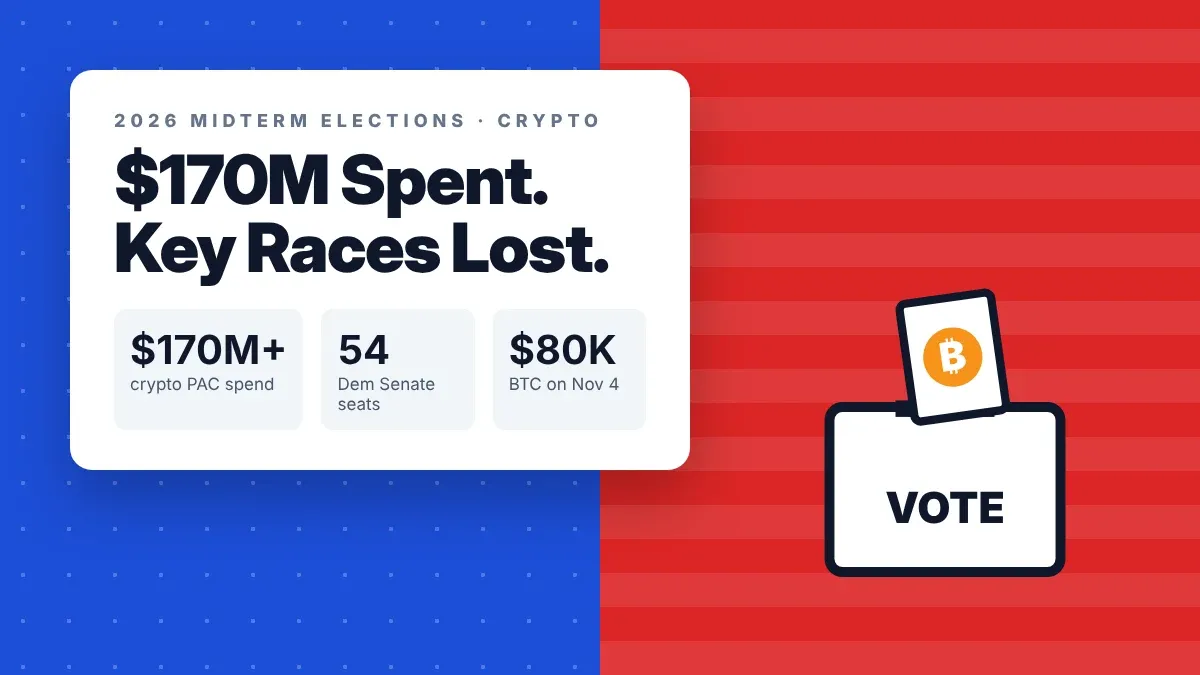
Midterm Elections Crypto Fallout: $170M Spent, Key Races Lost
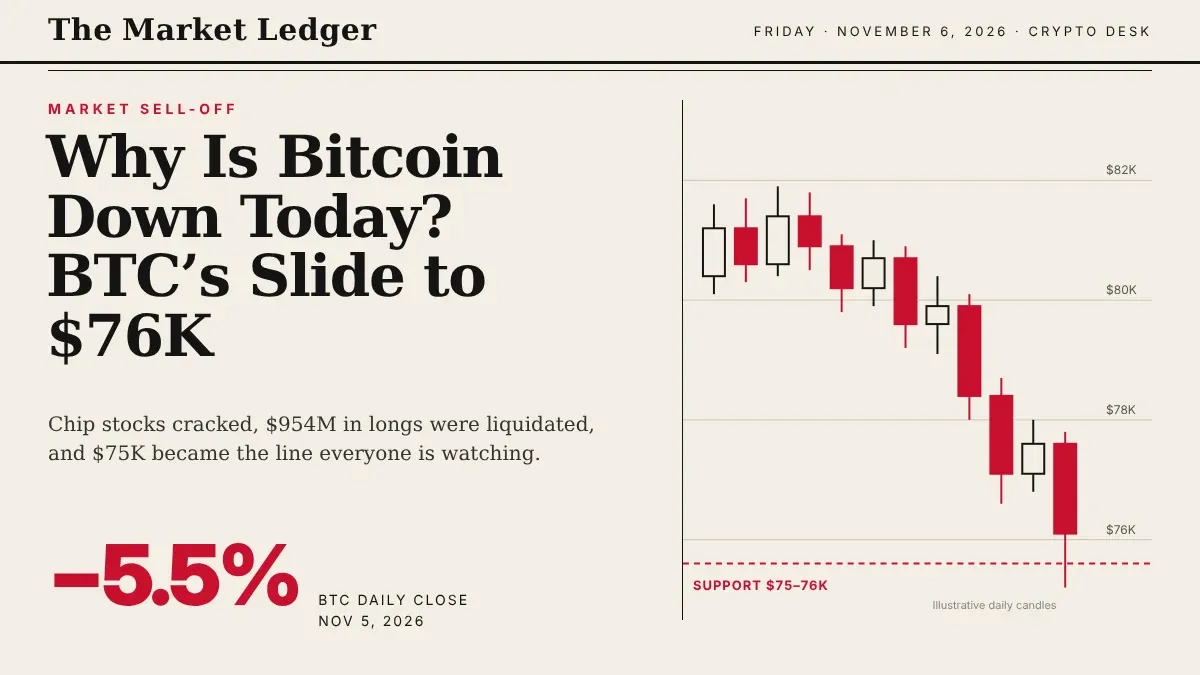
Why Is Bitcoin Down Today? BTC's Slide to $76K Explained
BTC Price Above $78,000 After the Midterms: What Is Confirmed, What Moved and What to Check Next
Crypto Trading Rewards: What Each Lucky Egg Really Costs in Fees

WEEX Rewards Guide: Lucky Eggs Tasks, Prizes and a 22-Day Plan

Binance Incident Report: How the Attack Chain Worked and What to Check
FOMC Meeting December 2026: Date, Schedule and What to Know Before the Rate Decision
Can You Stake Bitcoin? How BTC Staking Works and What It Pays

NEAR Protocol HSP-029 Vote: Can a 36% Issuance Cut Affect NEAR Price?

Bitcoin Futures ETF Explained: How It Works, How It Differs From a Spot Bitcoin ETF and Where the Risks Are
Bitcoin and the US Midterms: A Trader's Checklist for Nov. 3-11
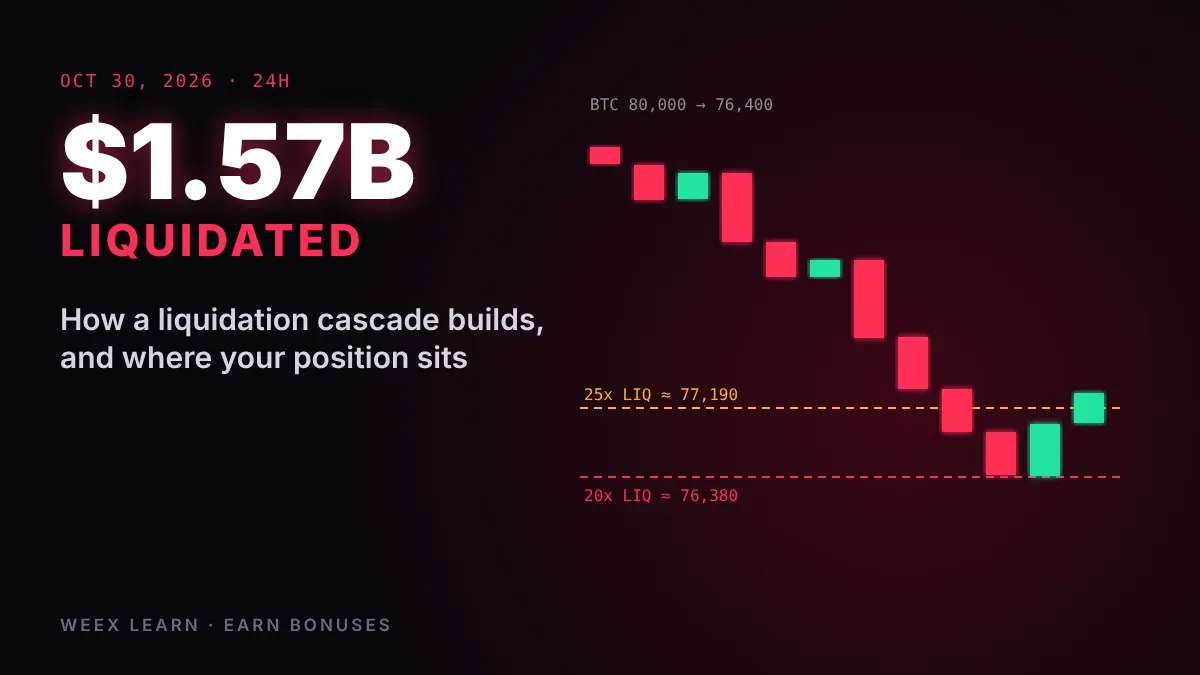
Crypto Liquidation Cascade: What the $1.57B Oct. 30 Flush Taught
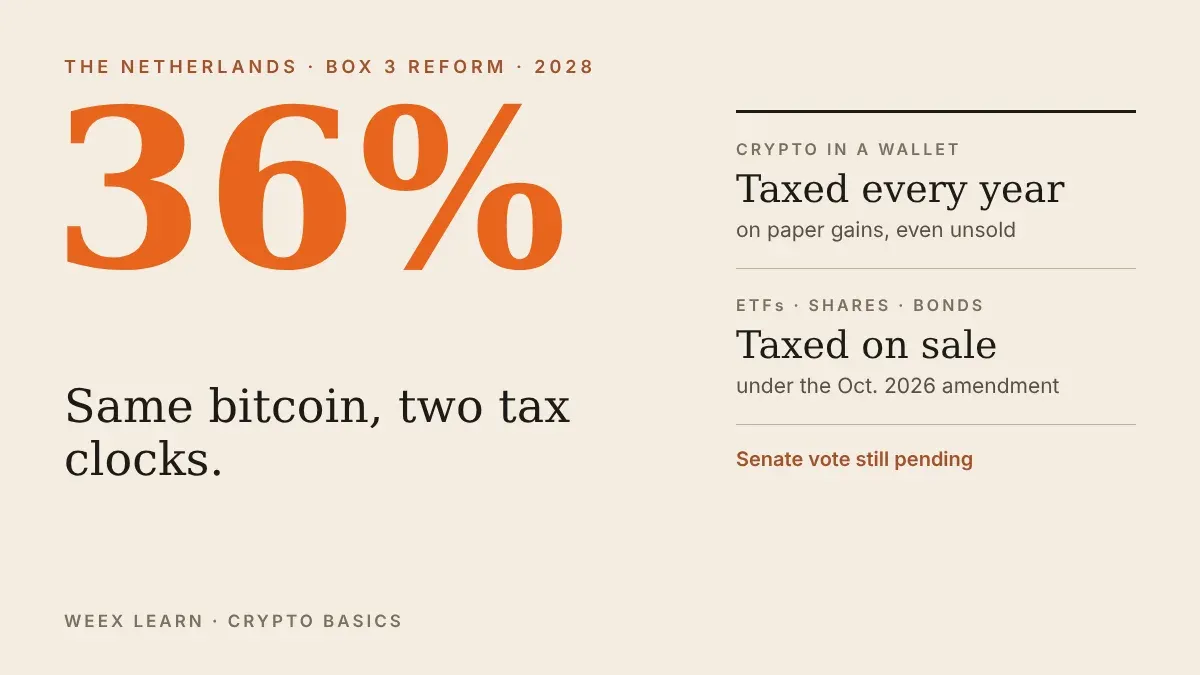
Dutch 36% Crypto Tax: Why Wallets Get Taxed Differently From ETFs
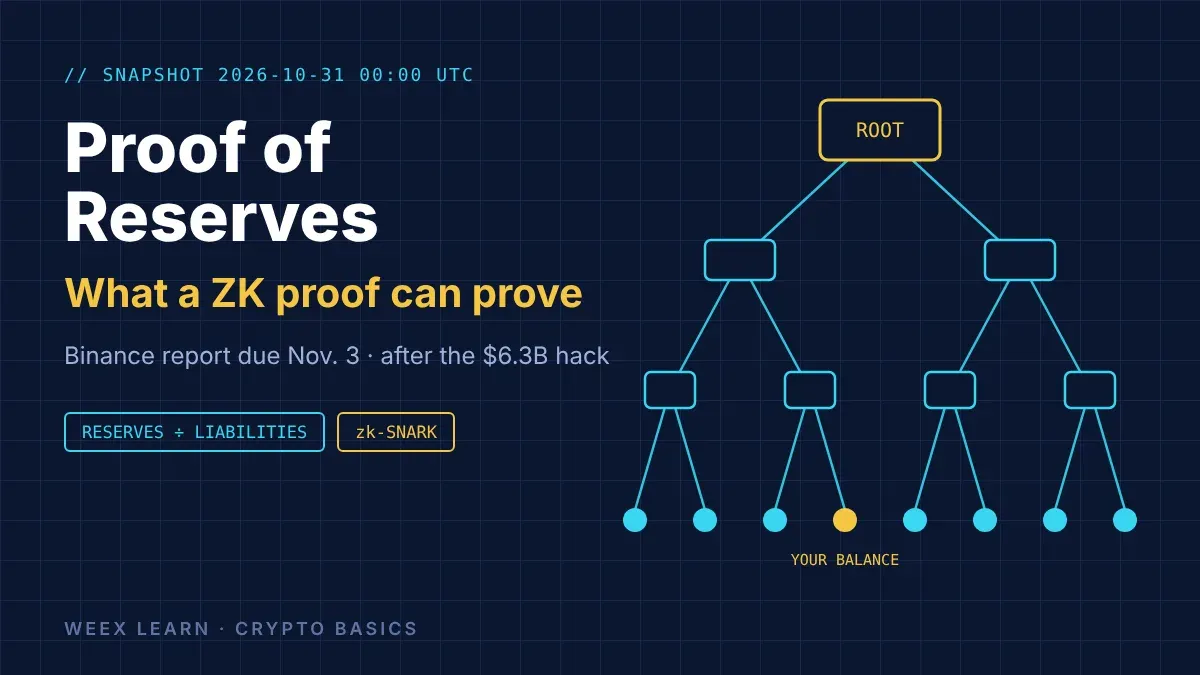
Binance Proof of Reserves: What the Nov. 3 ZK Report Can Prove
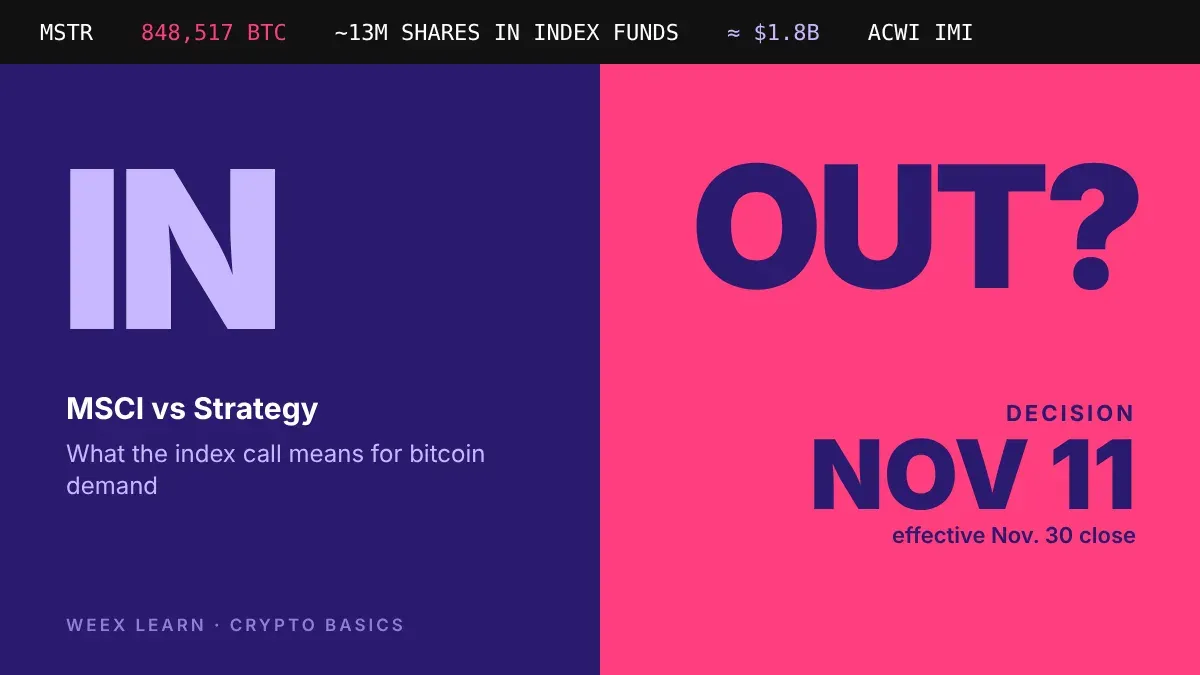
MSCI vs Strategy: What the Nov. 11 Index Decision Means for BTC
Binance Hack Explained: What Is Confirmed, What Is Disputed and What Users Should Do Now
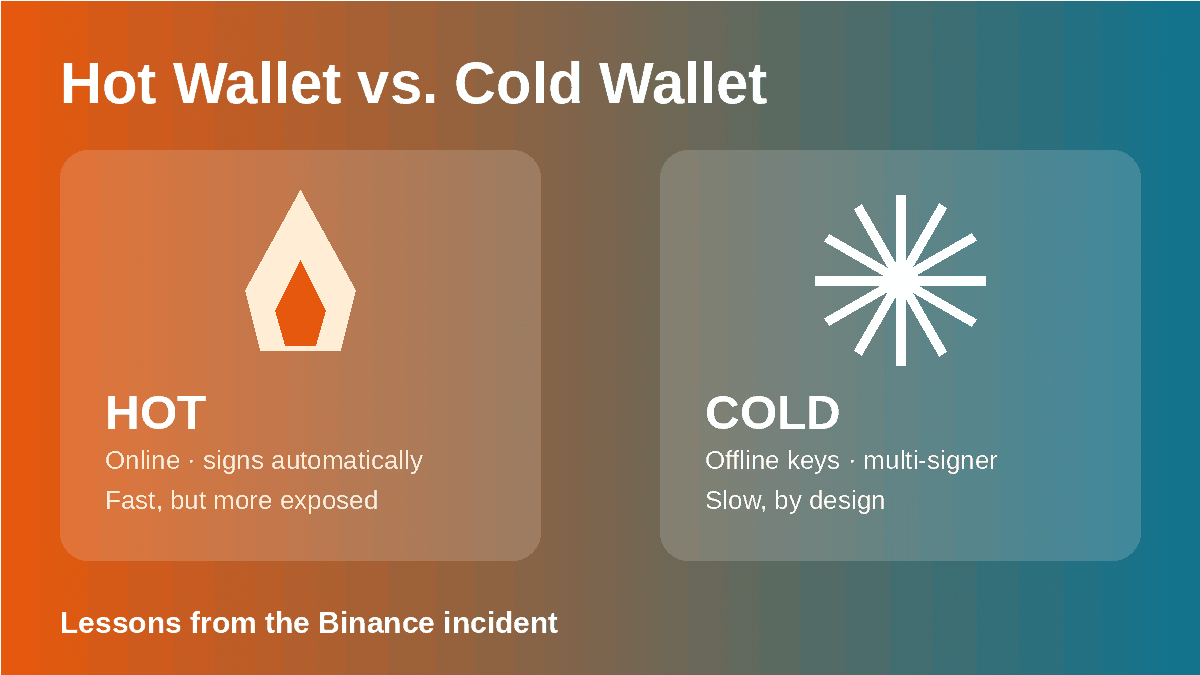
Hot Wallet Security Explained: Lessons From the Binance Incident
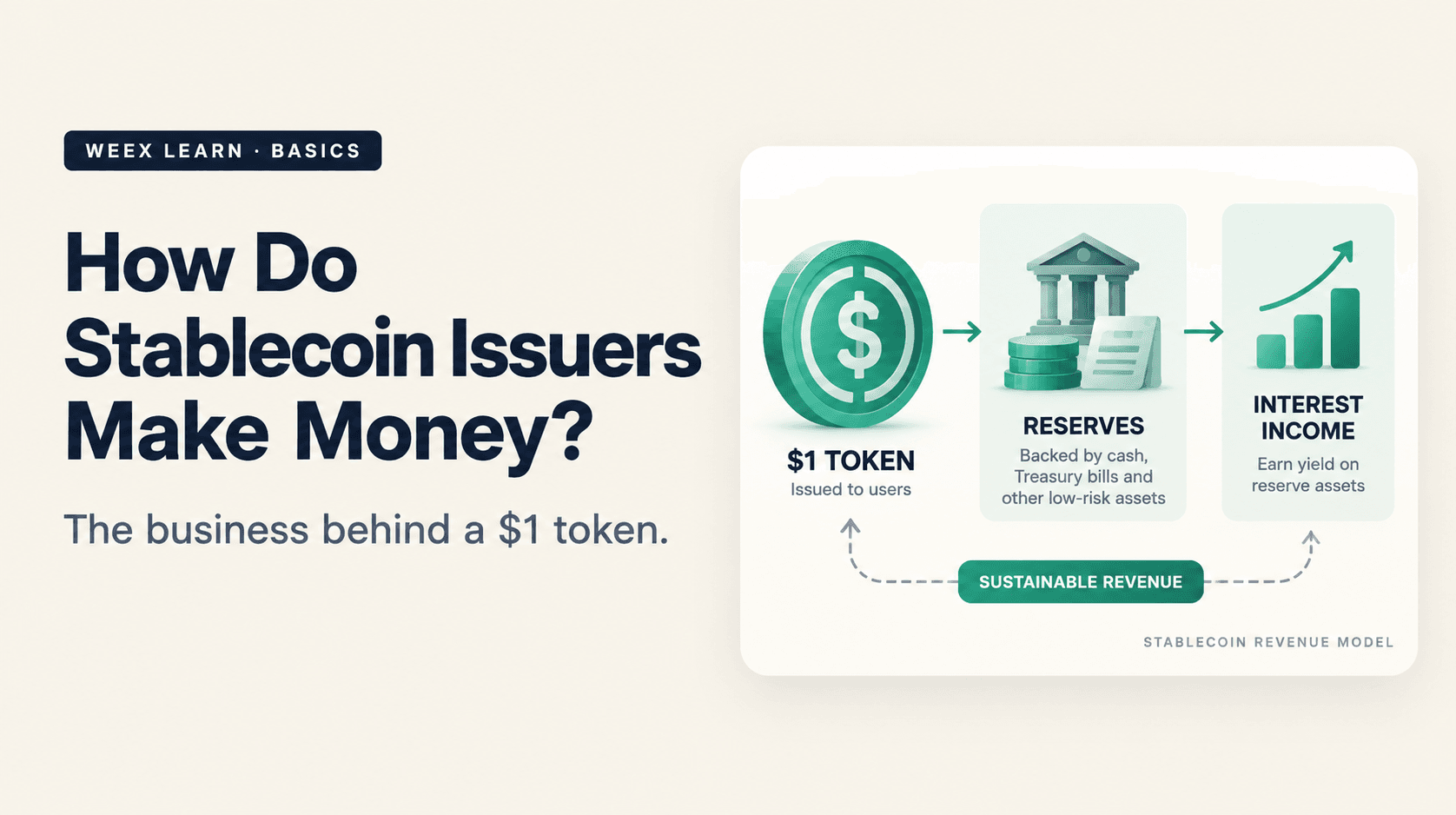
How Do Stablecoin Issuers Make Money? The Business Behind a $1 Token
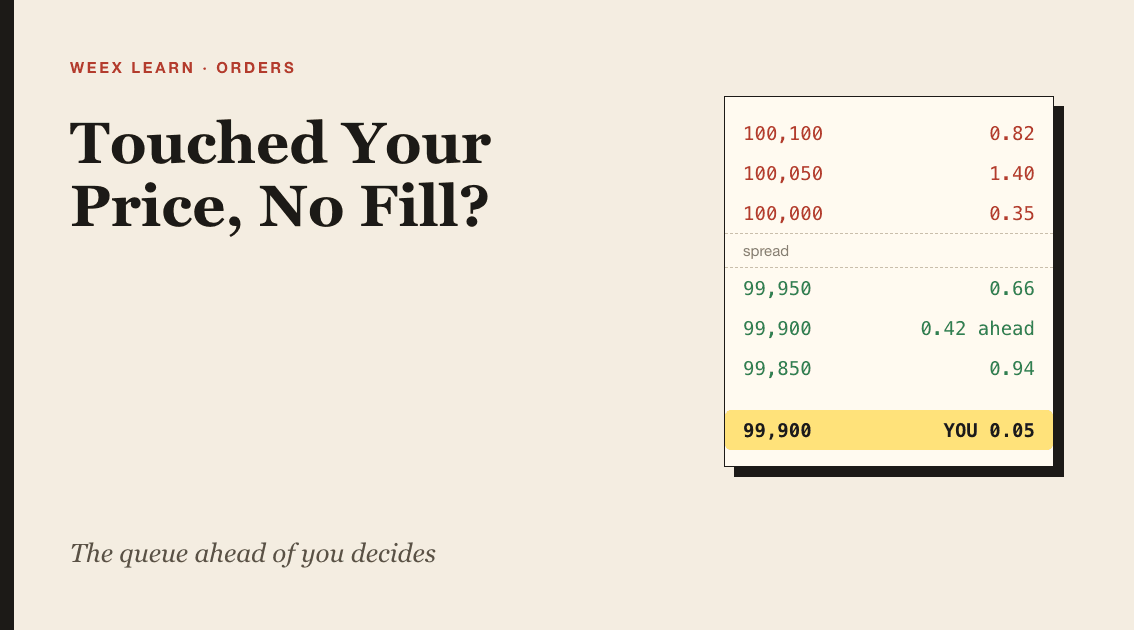
BTC Fights for $80K Before the Fed: Why Leverage Hasn't Flushed

How to Use WEEX Bubbles: A Practical Guide to Crypto Bubbles and Market Trends
WEEX Futures PnL: Why Your Three PnL Numbers Rarely Match

WEEX Reduce-Only Order: What It Does and When It Gets Cancelled
WEEX Stop Loss Not Triggered? Check the Trigger, Then the Fill
WEEX Funding Fee Explained: Rate, Countdown, Records and Math
WEEX Trading Pair Suspended or Delisted? Your Orders and Assets
WEEX Order History: How Orders, Fills and Fees Fit Together
WEEX Minimum Order Size Errors Explained With Rounding Examples
Cancel WEEX Spot Order: What Returns to Your Balance and When
WEEX Limit Order Not Filled? Read the Book, Then Fix the Order
How to Spot Trade on WEEX: From Pair Choice to a Confirmed Fill
Midterm Elections Crypto Fallout: $170M Spent, Key Races Lost
Why Is Bitcoin Down Today? BTC's Slide to $76K Explained
BTC Price Above $78,000 After the Midterms: What Is Confirmed, What Moved and What to Check Next
Crypto Trading Rewards: What Each Lucky Egg Really Costs in Fees
WEEX Rewards Guide: Lucky Eggs Tasks, Prizes and a 22-Day Plan
Binance Incident Report: How the Attack Chain Worked and What to Check


